
How to Fix a Sewer Backup in an Older Largo Home
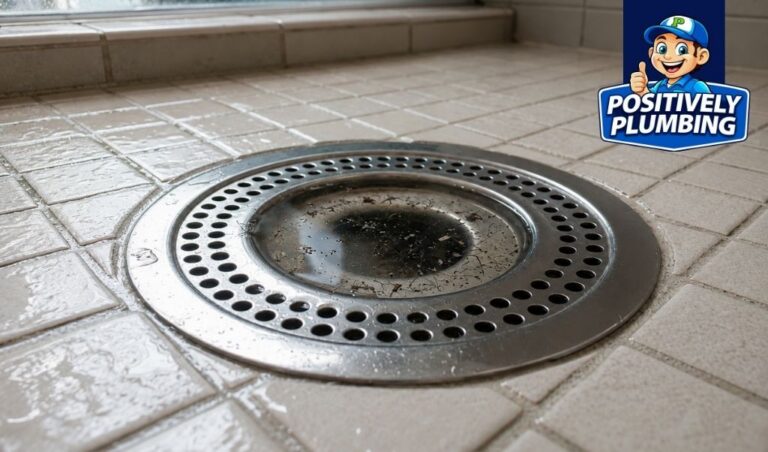
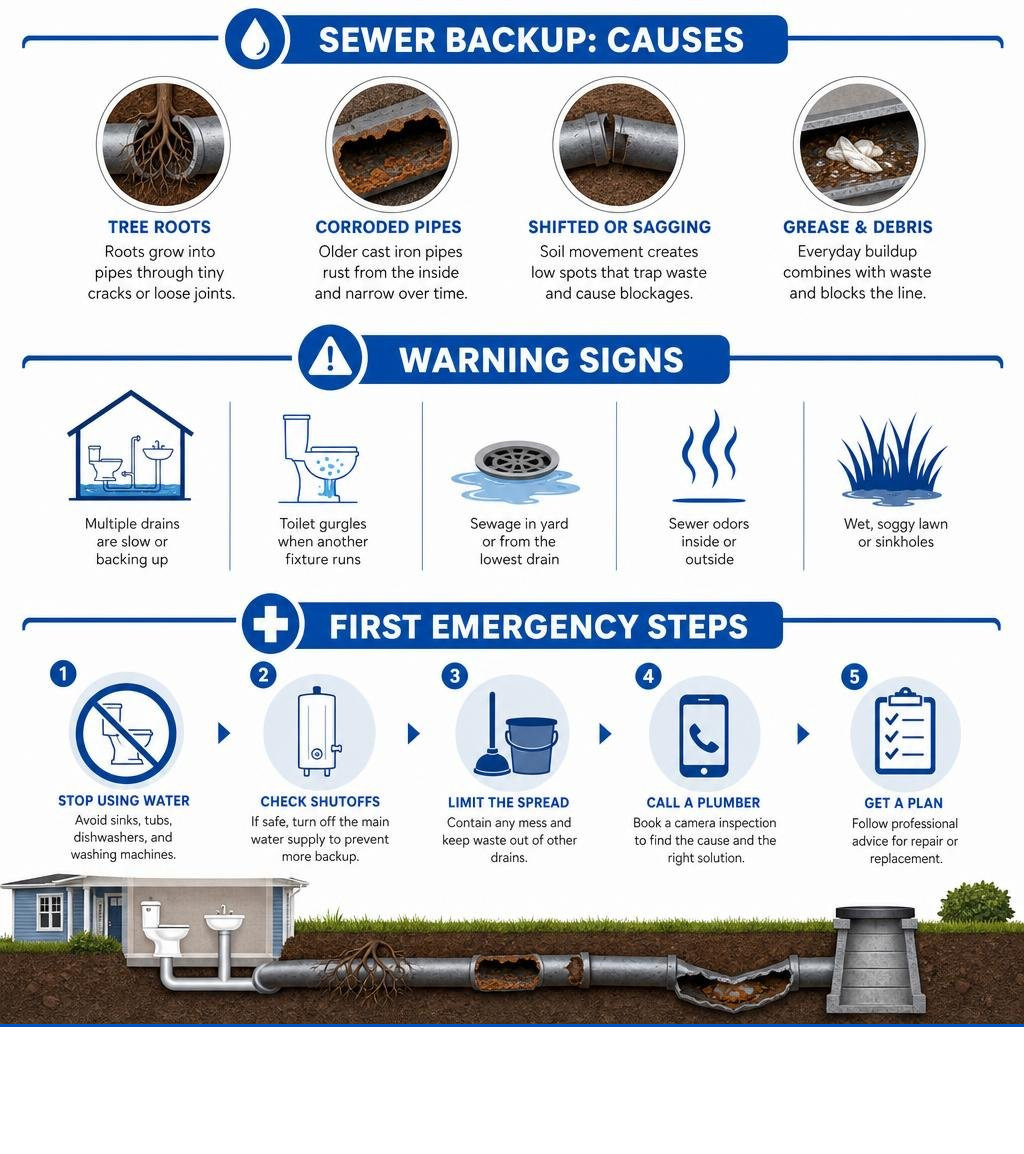
House sewer line repair starts with finding out whether the backup is a simple clog or damage in the main line. If several drains are slow, a toilet gurgles when another fixture runs, or sewage appears in a yard or lowest drain, stop using water when possible and call a licensed plumber for a camera inspection.
| What you notice | What it may mean | Best next step |
|---|---|---|
| One slow sink or tub | Local drain clog | Have the drain cleared |
| Multiple slow drains or backups | Main sewer line blockage | Schedule camera inspection |
| Gurgling toilets or rising water | Restricted sewer flow | Avoid running water and seek prompt service |
| Sewer odor, wet lawn, or sinkhole | Leaking or broken underground line | Request urgent evaluation |
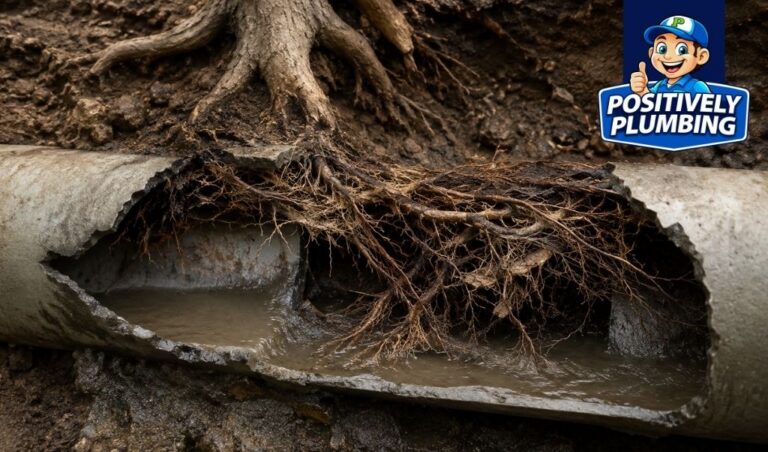
Older Largo homes can have cast iron pipe that corrodes from the inside, loose joints that let in tree roots, or aging materials that crack, sag, or collapse. Repeated drain cleaning may restore flow for a short time, but it cannot correct a damaged pipe wall, separated joint, or low spot that keeps catching waste.
The right repair depends on what the camera finds. Some lines can be cleaned or repaired in a small area, while others need trenchless lining, replacement, or targeted excavation. A clear diagnosis helps prevent a messy backup from becoming damage to floors, landscaping, or the home itself.
I am Stephanie Byrne, co-owner of Positively Plumbing LLC in Largo, where I help Pinellas County homeowners get straightforward answers and clean, licensed work without pressure or upsells. Our team handles drain and emergency plumbing concerns, and our custom home construction experience also informs the careful copper soldering work behind our broader house sewer line repair and piping recommendations.
Warning Signs, Causes, and Solutions for House Sewer Line Repair
A main sewer line backup is easily one of the most frustrating plumbing emergencies a homeowner in Largo, Clearwater, or Seminole can face. Understanding why your main sewer line is failing gives you the power to choose the right, long-lasting solution rather than paying for repeated temporary root clearings.
Identifying Roots and Cast Iron Failure in House Sewer Line Repair
In older Pinellas County homes built before 1980, sewer laterals were primarily constructed out of cast iron or vitrified clay tile. Cast iron pipes typically have a functional lifespan of 50 to 75 years, while clay pipe joints often loosen over 50 to 60 years. In mid-century developments, you might even find bituminized fiber (Orangeburg) pipe, which tends to deform and crush under soil weight after 30 to 50 years.
As cast iron ages in our humid subtropical climate, internal corrosion creates a rough, flaky surface known as tuberculation. This rough scale grabs onto toilet paper and solid debris, creating persistent blockages. At the same time, thirsty trees (like oak, ficus, or palm trees) send aggressive root systems looking for moisture, penetrating tiny cracks or separated pipe joints.

Key warning signs that you need a permanent house sewer line repair rather than just a simple drain snaking include:
- Multiple simultaneous slow drains: Fixtures on the lowest level of your home (like floor drains, showers, or ground-floor toilets) back up at the same time.
- Gurgling fixtures: Your toilet bubbles or gurgles when the washing machine drains or kitchen sink runs.
- Foul odors or insect activity: Sewer gas smells inside the home or near the yard, sometimes accompanied by sewer flies.
- Soggy lawn patches: Abnormally green, lush, or soggy spots appearing in your yard above the lateral pipe path.
- Sinking soil or holes: Reappearing holes or depressions near the property line caused by escaping wastewater washing away sandy soil.
If you suspect severe root intrusion, reading our Blog: Tree Roots in Sewer Line explains how roots enter piping systems. For residents in nearby jurisdictions, checking municipal guidelines like Sewer | Pinellas Park, FL helps clarify localized lateral requirements.
Trenchless CIPP vs Excavation: Choosing House Sewer Line Repair Methods
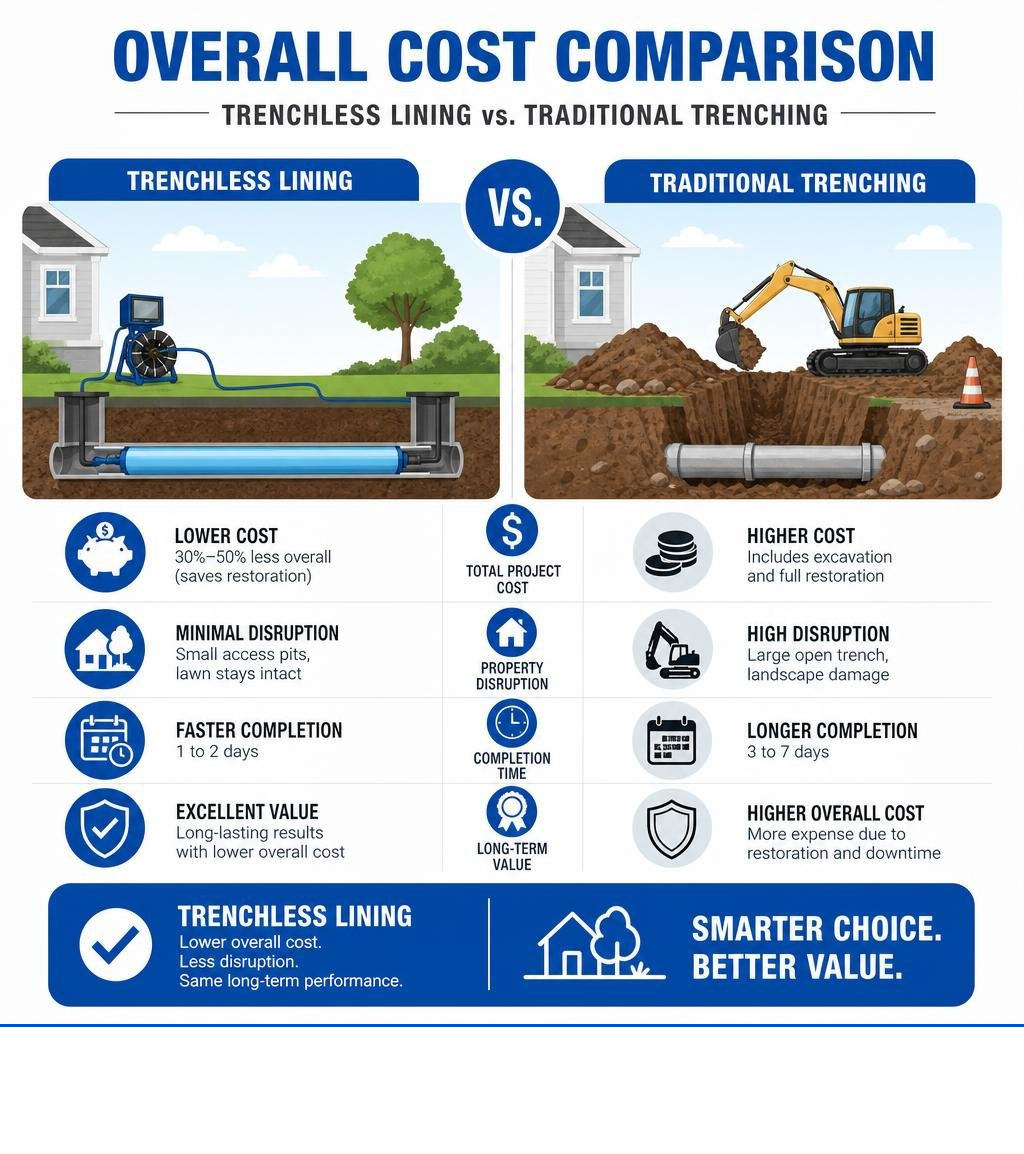
When evaluating house sewer line repair, technology has advanced significantly beyond heavy excavators tearing up driveways and manicured lawns. Modern trenchless technologies offer fast, non-invasive alternatives to traditional open-cut digging.
- Cured-In-Place Pipe (CIPP) Lining: Plumbers insert an epoxy resin-saturated felt liner through an existing cleanout access point. The tube is inverted, expanded, and cured using ambient air or heat, creating a smooth, jointless new pipe inside the damaged existing one. CIPP liners are engineered to last 50 years or more and reduce internal diameter by only a quarter of an inch.
- Pipe Bursting: A specialized mechanical bursting head is pulled through the old, deteriorating sewer line, breaking the fractured pipe outward into surrounding soil while simultaneously pulling a continuous High-Density Polyethylene (HDPE) pipe into place.
- Traditional Excavation: Open-trench digging remains necessary when pipes are fully collapsed, severely offset, or suffering from heavy “bellies” (low sags caused by soil shifting) that require physical re-bedding to maintain proper gravity slope.
| Feature / Consideration | Trenchless CIPP / Relining | Traditional Excavation |
|---|---|---|
| Property Disruption | Minimal (small access pits) | High (open trench across yard/driveway) |
| Average Completion Time | 1 to 2 days | 3 to 7 days |
| Total Project Cost | 30%–50% cheaper overall (saves restoration) | Higher total cost due to hardscape restoration |
| Material Lifespan | 50+ years | 50+ years (modern PVC/ABS) |
| Best Used For | Cracked, corroded, or root-infested lines | Fully collapsed pipes, severe sags, or bellies |
If minor drain cleaning is all that’s required to restore initial flow before choosing a structural repair, explore our Drain Cleaning & Repair services.
Step-by-Step Restoration: How to Fix Sewer Backup and Prevent Flooding
Learning how to fix sewer backup issues effectively involves a systematic four-step diagnostic and restoration process:
- Immediate Water Containment: Stop running water inside the home immediately. Running sinks, showers, or dishwashers pushes additional wastewater directly into flooded areas.
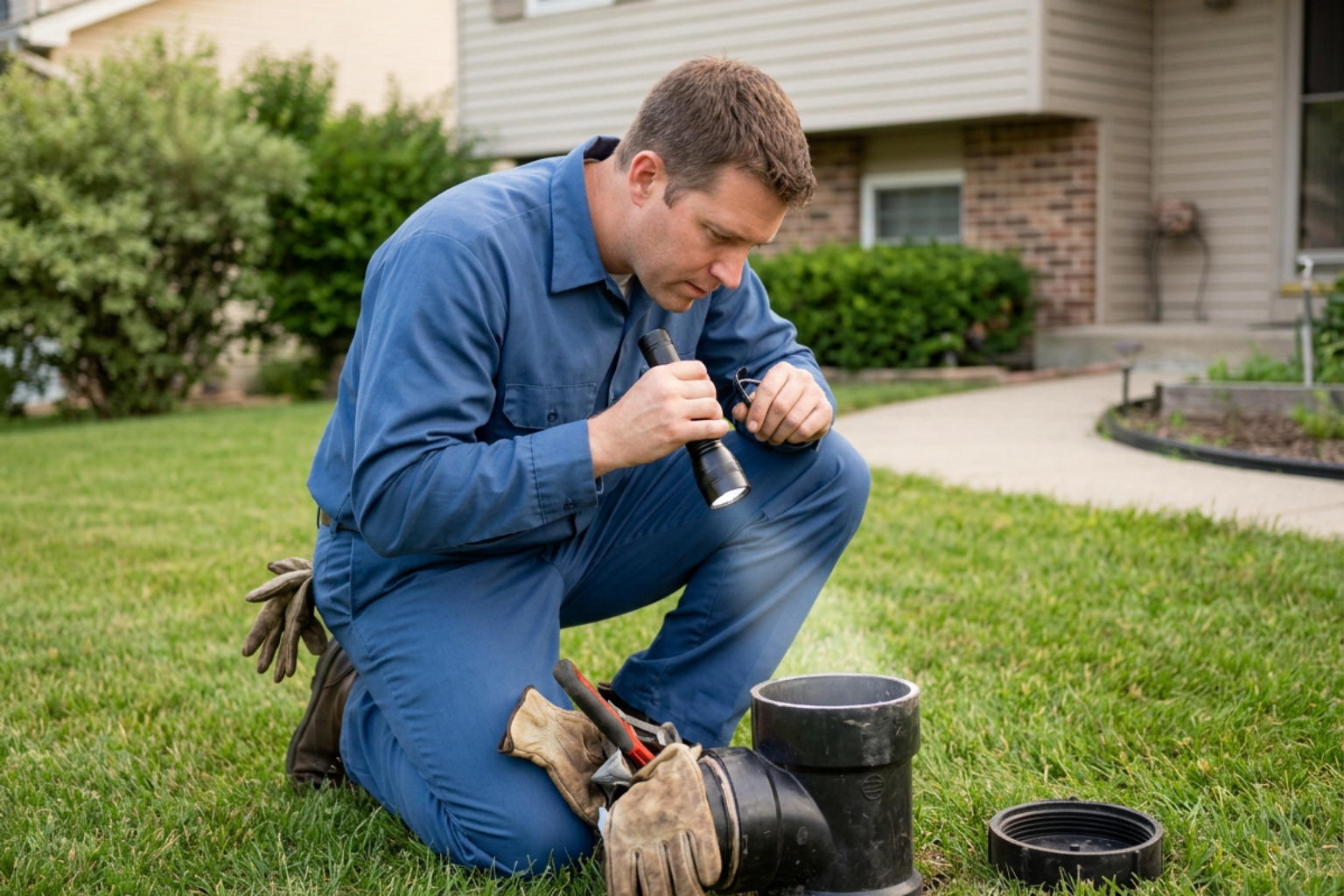
- Video Camera Inspection: A technician inserts a high-definition video sewer camera through a cleanout to inspect the full length of the line. The scope identifies structural cracks, offset joints, low sags, and structural root mass locations.
- High-Pressure Pre-Cleaning: Before installing epoxy lining or making spot fixes, high-pressure water scouring strips away scale, grease, and intruding tree roots. Review our Hydro Jetting capabilities to learn how high-pressure cleaning prepares pipe walls.
- Structural Repair & Biohazard Cleanup: Depending on the diagnostic findings, the plumber installs a trenchless epoxy liner, performs a sectional pipe repair, or executes an excavation. If indoor backup occurred, immediate biohazard water damage restoration ensures health safety.
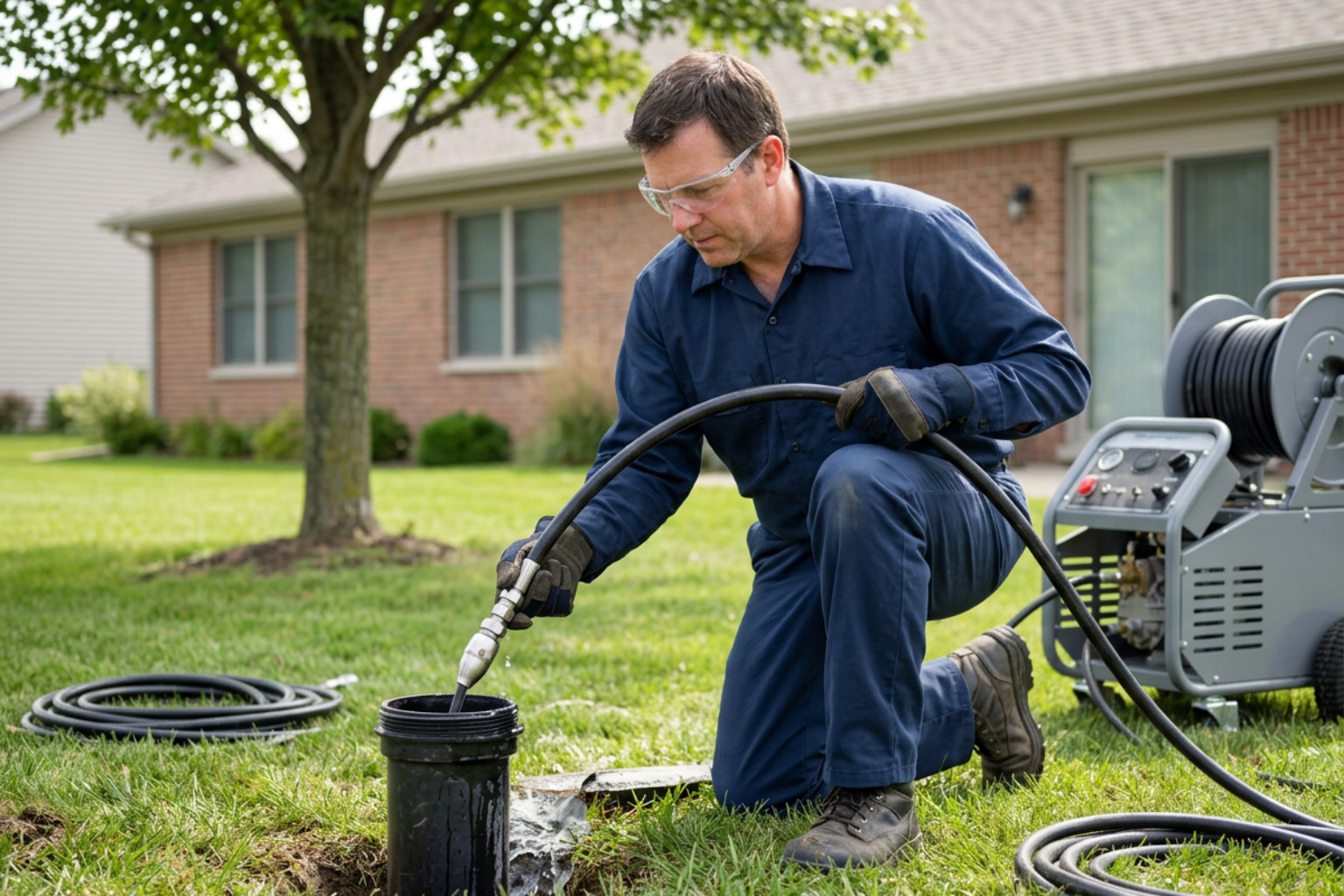
When backups happen during off-hours or threaten indoor living spaces, rely on our Emergency Plumbing team for fast evaluation.
Financials, Insurance, and Local Permitting Considerations
Sewer repair pricing varies based on pipe depth, material, accessibility, and length. Nationwide, typical residential main line repairs range between $3,000 and $15,000. Minor spot repairs average $600 to $1,500, while trenchless CIPP relining averages $80 to $250 per linear foot ($3,500 to $12,000+ for standard 40-to-80 foot residential laterals). Full dig-and-replace excavation runs $7,000 to $25,000+ once surface restoration for driveways or landscaping is included.
Homeowners insurance policies usually exclude routine age wear, root intrusion, or gradual corrosion. However, many insurance providers offer inexpensive optional “Service Line Endorsements” or sewer backup riders that cover unexpected underground pipe breaks.
In Pinellas County and surrounding communities, homeowners are responsible for the lateral line from the house up to the connection point at the main sewer. Work near sidewalks or street right-of-ways requires municipal right-of-way permits and required safety inspections before backfilling. Learn more about structural pipe replacements on our Pipe Repair & Replacement page.
Selecting a Reliable Contractor for Permanent Sewer Line Solutions
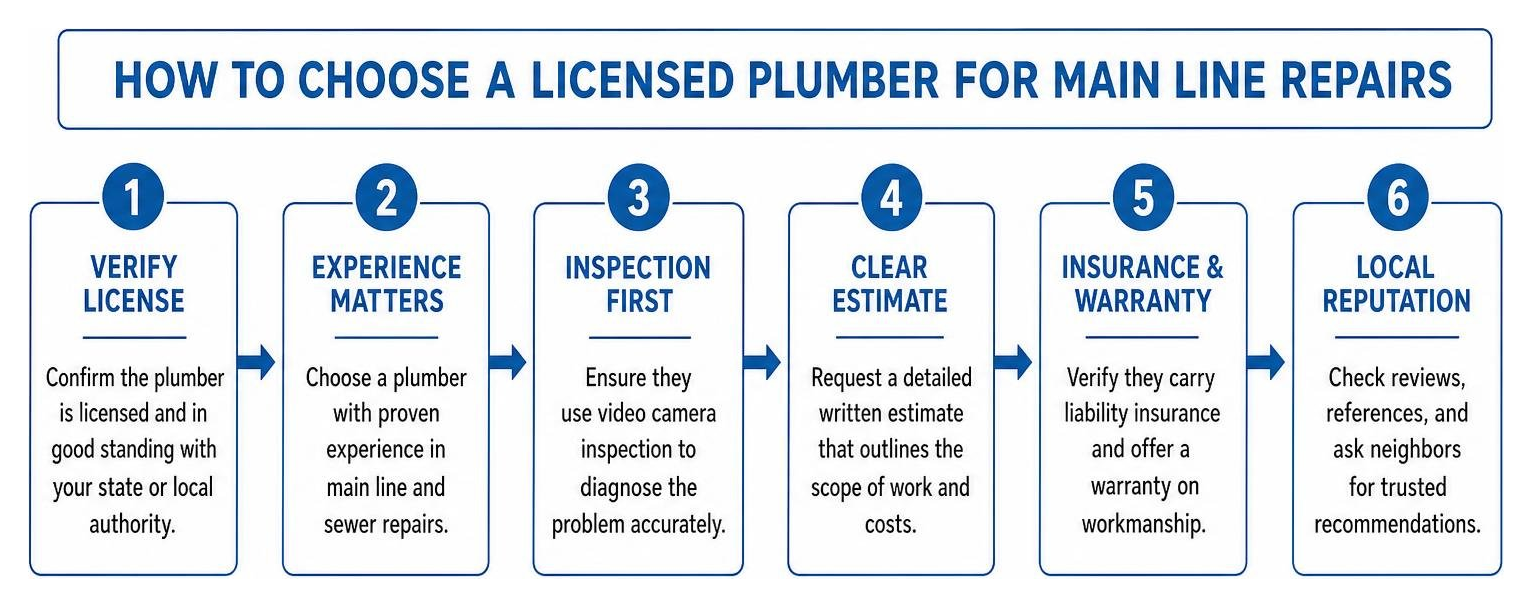
Selecting the right plumbing contractor makes all the difference when dealing with underground utilities. Always insist on seeing video camera footage before committing to a complete line replacement, and request detailed written estimates that break down diagnostic, pipe installation, and surface restoration responsibilities line-by-line.
At Positively Plumbing LLC, our family-owned team brings straightforward pricing, no pressure sales, and expert workmanship to every job across Largo, Clearwater, Seminole, and St. Petersburg. Positively Plumbing brings custom home construction experience to its copper soldering work, ensuring that every piping connection and subterranean repair adheres to the absolute highest construction standards.
Whether you need diagnostic scoping, hydro jetting, or full house sewer line repair, reach out to our team today through our Sewer Services page to protect your home with reliable, non-nonsense plumbing solutions.